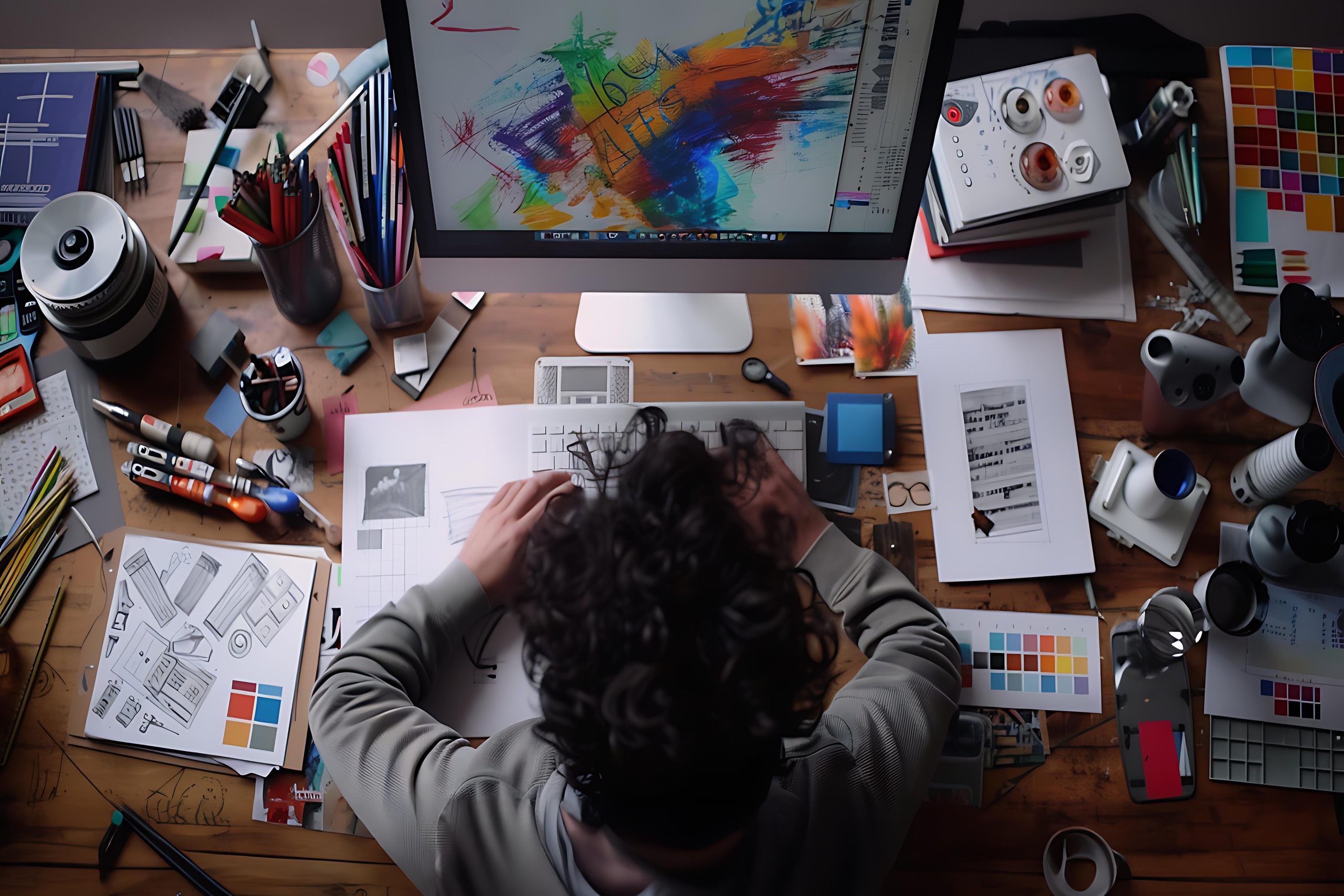
As a web designer, I’ve learned that one of the most important aspects of creating a successful website is balancing creativity and functionality in web design. While aesthetics are crucial for capturing attention, functionality ensures the user experience is smooth and engaging. Striking this balance is a continuous challenge, but it’s what sets great websites apart from the average ones. Learn more about how I mastered the craft of web design.
The Importance of Aesthetics
When I started my journey in web design, my natural inclination was towards creating visually stunning websites. I wanted each project to stand out with unique, artistic elements. However, as I gained experience, I realized that a website can look beautiful, but if it’s hard to navigate or lacks clear functionality, users quickly lose interest. This realization taught me that creativity needs to work hand in hand with usability. Balancing creativity and functionality in web design is about making sure the user experience flows effortlessly while still delivering a visually appealing interface. Check out my thoughts on minimalist design and its challenges.
Functionality: The Backbone of a Great Website
Functionality is the backbone of any great website. It’s what guides users from point A to point B efficiently, whether that’s finding information, making a purchase, or filling out a form. In my work, I’ve always prioritized user-centric design by asking myself, “Is this easy to use? Does it help the user achieve their goal without friction?” Keeping these questions in mind ensures that the creative elements don’t overpower the user journey. In fact, a functional design amplifies creativity when done right. You can read more on why responsive web design is essential in 2024.
Finding the Perfect Balance
Achieving the right balance between creativity and functionality takes time and practice. I’ve often found myself tweaking designs, testing layouts, and even scrapping ideas entirely because they didn’t serve the user. It’s this iterative process that allows me to improve with each project. For instance, I recently worked on a website where the client wanted bold visuals, but the primary audience was less tech-savvy. By simplifying the navigation while still using modern, vibrant design elements, we achieved a balance that resonated well with users.
Conclusion:
In the end, balancing creativity and functionality in web design is not just about making things look good—it’s about creating an experience. An experience that’s both visually pleasing and intuitive for users to interact with. Want to see how I apply this balance in my projects? Visit my portfolio for more examples.
User testing experience: https://www.thinkwithgoogle.com/